
The Molecular Reason Your Hair Still Feels Damaged — Even After Deep Conditioning


You deep condition. You mask. You follow every step. And still — your hair doesn't feel the way it should. Still dull. Still brittle. Still breaking where it shouldn't.
This isn't a conditioning problem. It's a bond problem.
What Summer Actually Does to Your Hair
Hair is held together by bonds — chemical connections inside each strand that give it structure, elasticity, and strength. Disulfide bonds, hydrogen bonds, salt bonds. These aren't just chemistry class vocabulary. They're the difference between hair that bounces back and hair that snaps.
Summer attacks all of them. UV radiation breaks disulfide bonds. Chlorine dissolves the lipid layer that protects the cuticle. Saltwater strips minerals and dehydrates the cortex. Heat styling on top of all of that causes protein loss from the inside out.
By the time you notice the damage, it's been accumulating for weeks.
Why Most Treatments Don't Fix It
Here's the problem with most conditioning products: they work at the surface. They coat the cuticle, add slip and shine, and make hair feel temporarily smoother. That's not nothing — but it doesn't touch the cortex. It doesn't repair broken bonds.
Think of it this way: a coat of paint doesn't fix a crack in the wall. You feel the smoothness, but the structural damage is still there — and the next time you run a brush through your hair, it shows.
Real restoration requires getting inside the strand — not just covering what's on the outside.
The Science Behind FIBERBOND
The FIBERBOND Molecular Hair Recovery System was formulated around one principle: repair has to happen where the damage actually is. That means small-molecule actives — compounds with a molecular weight low enough to penetrate the cortex, not just sit on the cuticle.
These actives work by re-forming the connections between protein chains, restoring the tensile strength that summer breaks down. The result isn't a coating — it's a structural improvement: less breakage, more elasticity, better shine from the inside out.
This is what we mean when we say restore, not just treat.
Step 01: The Shampoo That Repairs While It Cleanses
FIBERBOND Damage Repair Shampoo ($37) is the foundation of the restore ritual. Most shampoos are purely subtractive — they remove. This one also deposits. Bond-rebuilding actives are delivered directly into the cortex during the cleansing process, which means repair starts on day one, with every wash.
It's gentle enough for damaged hair — sulfate-free, no stripping — and effective enough to be the first real step in molecular recovery. The mineral buildup and oxidative stress that summer left behind? It removes both. The structural integrity your hair lost? It begins rebuilding it.
Use it in place of your regular shampoo. This is your new baseline.
Step 02: The Seal That Makes Repair Last
FIBERBOND Hair Coating Bonding Spray ($40) is what locks in everything the shampoo started. Applied on damp hair before styling, it wraps each strand in a protective bond matrix — sealing the cuticle, reinforcing the bonds, and creating a barrier against the humidity, heat, and UV exposure that caused the damage in the first place.
Lightweight, no buildup, and effective on every hair type. The kind of product that quietly does more than you expect.
Together, these two products form a complete restore system — one that addresses the cause of damage, not just the appearance of it.
The Ritual
The routine is simple:
- Wash with FIBERBOND Damage Repair Shampoo — 2 to 3 times per week
- On damp hair, apply FIBERBOND Hair Coating Bonding Spray from mid-lengths to ends
- Style as usual
No complicated steps. Just two products working together at the level where it actually matters.
You'll notice the difference in the first week — less breakage at the brush, more movement, more light. By the end of the month, your hair will have been rebuilt, not just covered.
This is Act III of The Golden Season. Shield protected. Nourish restored the surface. Restore goes deeper — and that's exactly where summer damage lives.


Popular 🔥

Radiance Hair Serum
$48.00
Popular 🔥

Ultra Nourishing Mask 8oz.
$39.00

Popular 🔥

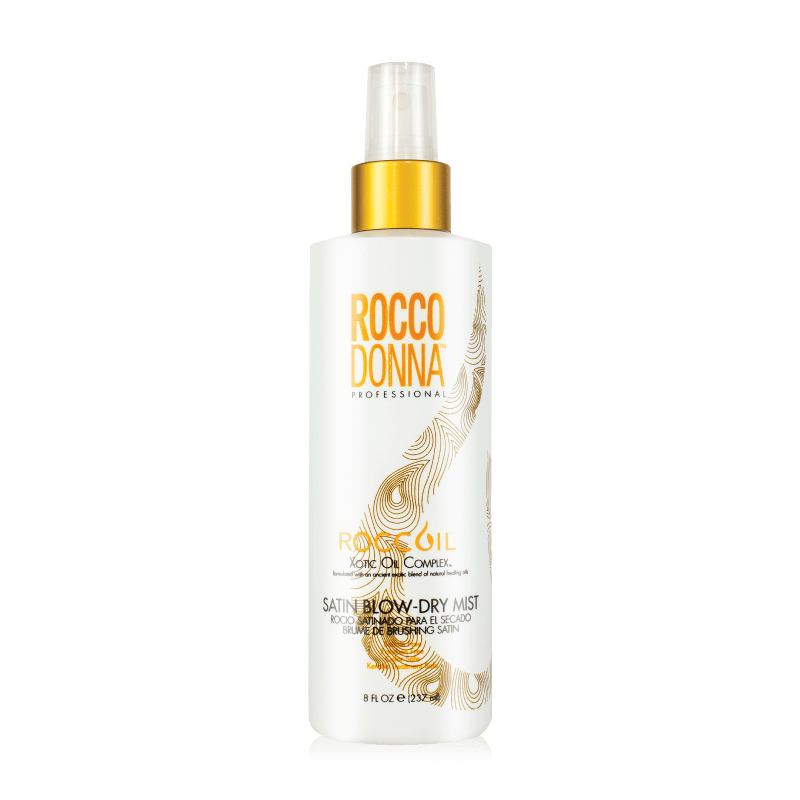
Satin Blow-Dry Mist
$35.00




celebrity pick✨

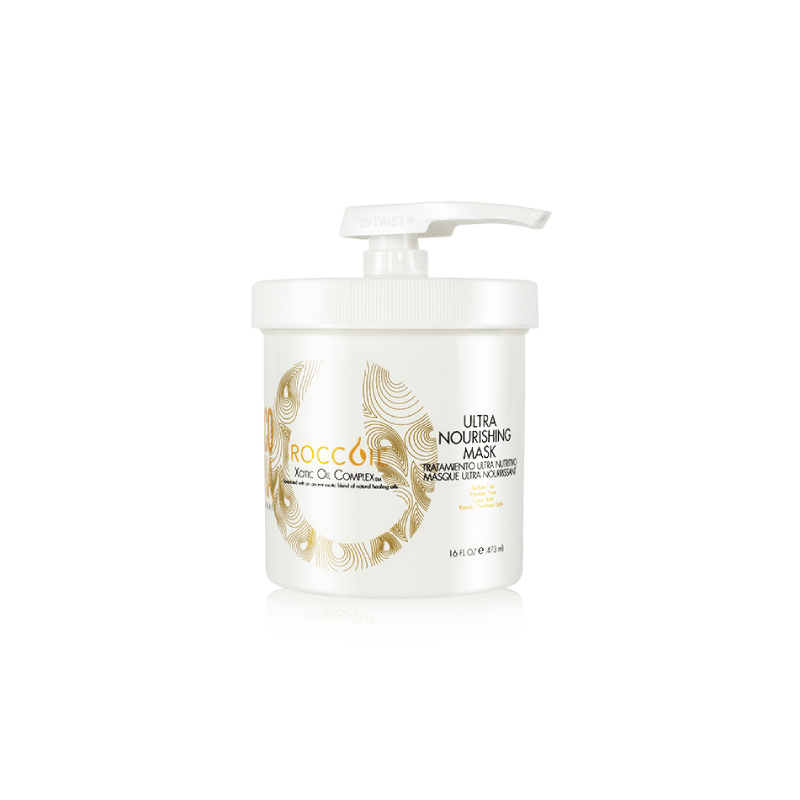
Ultra Nourishing Mask 16 oz.
$69.00

Popular 🔥

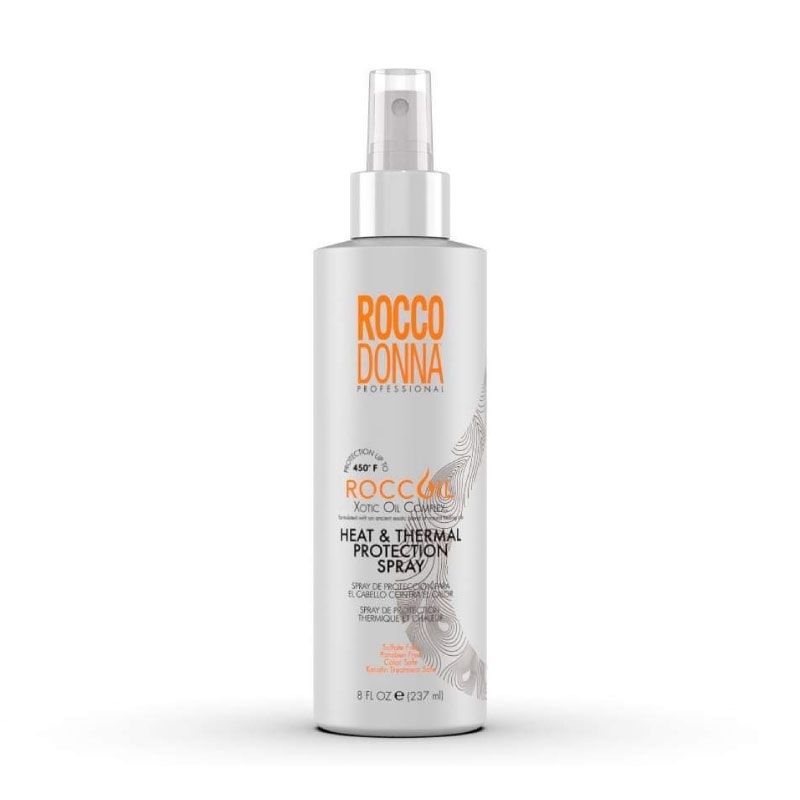
Heat & Thermal Protection Spray
$39.00
Celebrity Pick✨

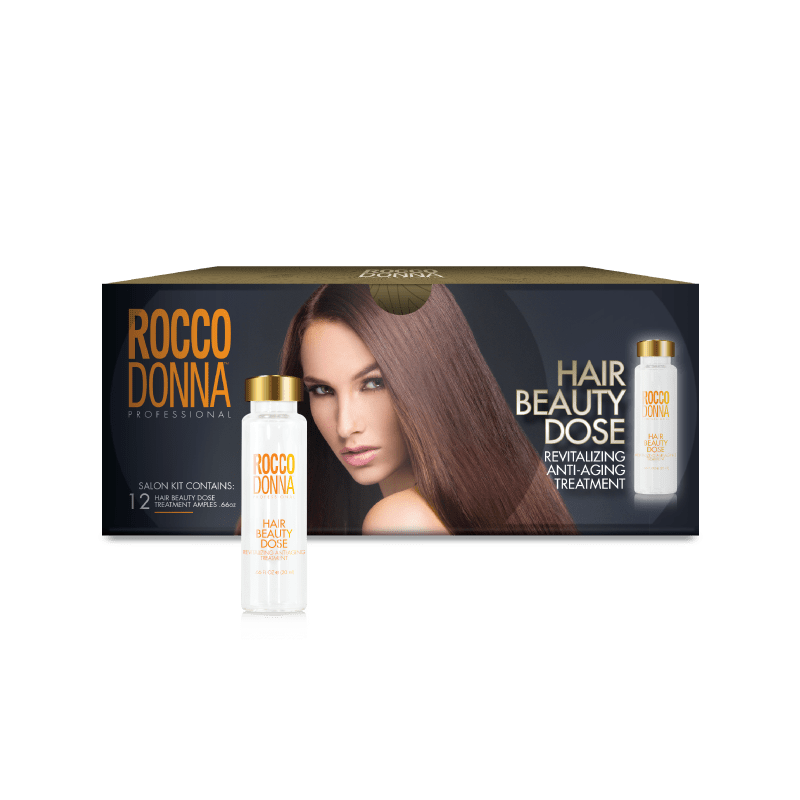
Hair Beauty Dose Revitalizing Anti-Aging Treatment
$380.00

FASHION CORNER


5 Signs You're Using the Wrong Hair Routine
Most people pick their hair products the same way they pick a playlist — based on a vibe, a recom...


The Right Routine for Your Hair Type
Your shampoo, your conditioner, your weekly mask — every product you use either works with your h...
The Molecular Reason Your Hair Still Feels Damaged — Even After Deep Conditioning
Most conditioning treatments work at the surface. But summer damage starts inside — in broken bonds your conditioner can't reach. Here's what's actually happening to your hair, and why the right repair routine changes everything.